
Having trouble getting your iPhone or iPad recognized by a Windows PC? If the device doesn't appear in File Explorer, Apple Devices, or iTunes, the Apple Mobile Device USB Driver may be part of the problem.
Windows needs the right Apple software and drivers to communicate with an iPhone or iPad over USB. When that connection breaks, you may see errors in Device Manager, get no response when plugging in the device, or find that Apple software cannot detect it.
The good news is that you usually don't need to hunt down a random driver package online. In this guide, we'll show you where the Apple Mobile Device USB Driver comes from, how to check whether it's installed correctly, and what to do when Windows is missing or not using it properly.
What Is Apple Mobile Device USB Driver
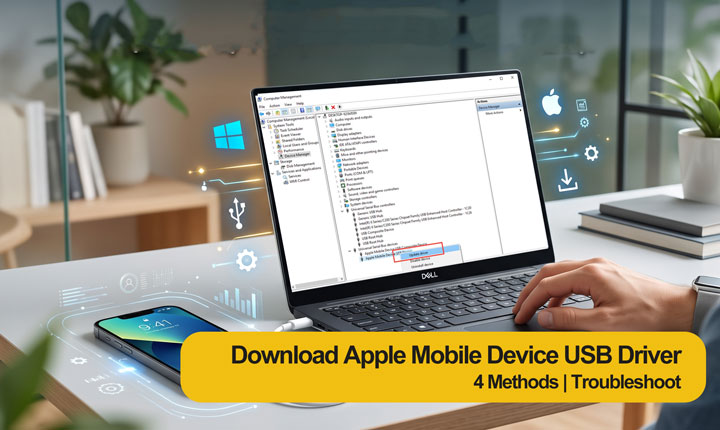
The Apple Mobile Device USB Driver is a Windows driver that allows your computer to communicate with an iPhone or iPad through a USB connection. When you connect your Apple device to a Windows PC, the driver helps Windows recognize the device and establish a connection between the two. You may notice Apple Mobile Device USB Driver in Device Manager after connecting an iPhone or iPad. It works in the background, so you normally do not need to interact with the driver directly.
The driver is typically installed along with the Apple software and device components needed to connect an iPhone or iPad to Windows. If the driver is missing, outdated, or not working correctly, your PC may fail to recognize the connected device, or Apple Devices or iTunes may not detect it properly. For this reason, if your iPhone or iPad is not showing up on your Windows PC, checking the Apple Mobile Device USB Driver is a useful place to start.
4 Ways to Download Apple Mobile Device USB Driver on Windows
The Apple Mobile Device USB Driver allows a Windows PC to communicate with an iPhone or iPad over a USB connection. If you need this driver, you may not find it as a standalone download from Apple. In most cases, Windows installs the driver as part of the Apple software and device setup process. Depending on your situation, there are several ways to get the driver onto your Windows PC.
Method 1. Download Apple Mobile Device USB Driver Through Apple Devices
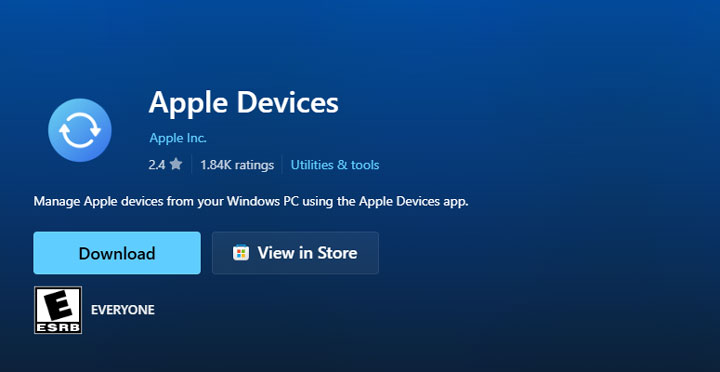
For most Windows users, installing the Apple Devices app is a straightforward way to set up the software components needed for communication between an iPhone or iPad and a Windows PC. Apple distributes the app through the Microsoft Store rather than providing the Apple Mobile Device USB Driver as a separate download.
Step 1. If you already have Apple Devices on your PC but the iPhone or iPad is not being recognized, you can remove the app before reinstalling it. Go to Settings > Apps > Installed apps, find Apple Devices, click the three-dot menu, and select Uninstall.
Note: If you are installing Apple Devices for the first time, you can skip this step.
Step 2. Restart your PC. Open the Microsoft Store, search for Apple Devices, select the official Apple app, and click Get or Install. Apple provides the Apple Devices app through the Microsoft Store for managing iPhone, iPad, and iPod touch devices on Windows.
Step 4. Open Apple Devices and connect your iPhone or iPad to the PC with a USB or USB-C cable. Unlock the device, and tap Trust if the Trust This Computer? prompt appears.
Step 5. Open Device Manager and look under Universal Serial Bus controllers or Portable Devices. If Apple Mobile Device USB Driver or the related Apple device entry appears without a yellow warning icon, Windows has recognized the device and loaded the driver correctly. If the iPhone or iPad also appears in Apple Devices, the connection is working normally.
Method 2. Download Apple Device USB Driver Components with iTunes
If you still use iTunes on Windows, installing or updating it can provide the Apple device components needed for your iPhone or iPad to communicate with the PC. The Apple Mobile Device USB Driver is part of this setup rather than a separate driver package that you normally download on its own.
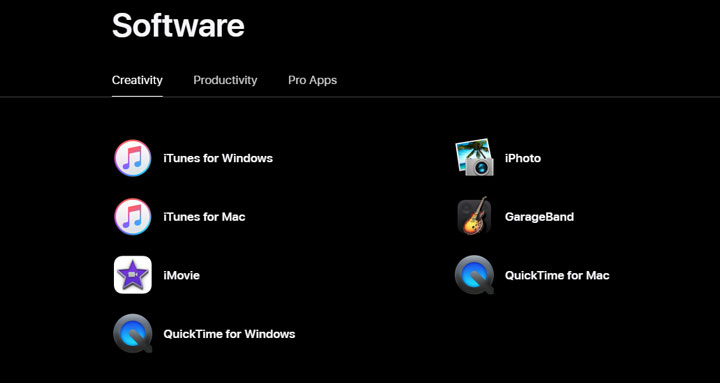
Step 1. If iTunes is not installed on your PC, download and install the latest version from an official Apple or Microsoft source. If you already have iTunes, update it to the latest available version. This makes sure the Apple components included with the installation are up to date.
Step 2. After updating or installing iTunes, connect your iPhone or iPad to the computer with a USB cable. Unlock the device, and tap Trust if the Trust This Computer prompt appears.
Step 3. Once the phone is connected and trusted, Windows should detect the Apple device and load the required driver components. You do not normally need to download a separate Apple Mobile Device USB Driver file.
Step 4. Open Device Manager and look under Universal Serial Bus controllers or Portable Devices for Apple Mobile Device USB Driver or a related Apple device entry. If it appears without a yellow warning icon, Windows has recognized the driver correctly.
Step 5. Open iTunes and see whether your iPhone or iPad appears. If iTunes recognizes the device, the required Apple mobile device components are working properly.
Method 3. Force Windows to Re-Download/Re-Detect the Driver
If the Apple Mobile Device USB driver is already installed but Windows is using an outdated version, you can ask Device Manager to look for an updated driver. This method is useful when the driver exists on your PC but needs to be updated.
Step 1. Connect the iPhone to your computer using a certified USB cable. If a prompt appears on your iPhone screen, tap Trust This Computer.
Step 2. Right-click the Windows Start menu icon and select Device Manager from the pop-up list. Alternatively, press Windows Key + R, type devmgmt.msc, and hit Enter.
Step 3. In the Device Manager window, look for your device. Depending on how your PC currently sees the iPhone, it will be under one of these two sections:
- Universal Serial Bus controllers: Look for Apple Mobile Device USB Driver.
- Portable Devices: Look for Apple iPhone (this usually means the driver is missing or outdated).
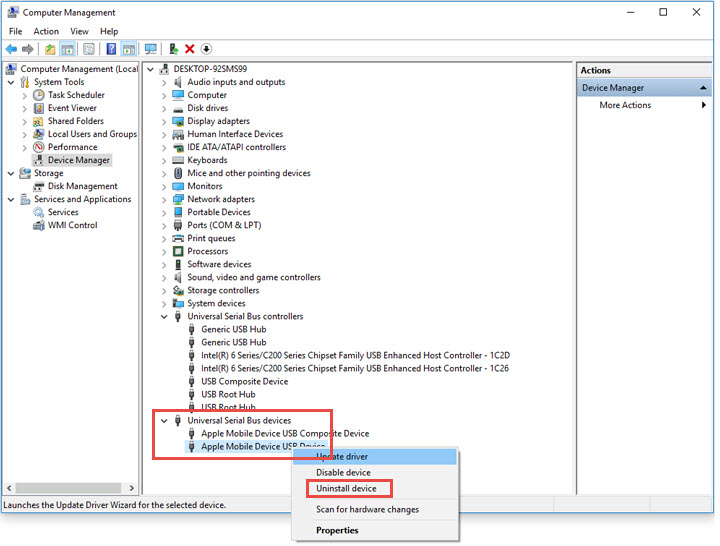
Step 4. Right-click on Apple Mobile Device USB Driver (or Apple iPhone). Check the box for "Delete the driver software for this device" if available, then click Uninstall. Click Action (top menu bar) $\rightarrow$ select Scan for hardware changes. Watch the list refresh. Windows will re-detect the hardware and re-apply the clean driver.
Step 5. Follow the on-screen prompts to complete the installation. Reconnect your iPhone to see if it is recognized.
Method 4. Reinstall the Apple Mobile Device USB Driver
Sometimes the driver is already on the computer, but Windows is not loading or associating it correctly with the connected iPhone or iPad. In this situation, reinstalling the device entry can give Windows a fresh opportunity to detect the hardware and load the driver.
Step 1. Connect your iPhone or iPad and tap Trust if Windows asks for permission. Look under Universal Serial Bus controllers or Portable Devices. The entry may be called Apple Mobile Device USB Driver, Apple iPhone, or something similar.
Step 2. Right-click the Apple entry and select Uninstall device. Windows will remove the current device entry from Device Manager.
Step 3. At the top of Device Manager, select Action > Scan for hardware changes. Windows will scan the computer again, detect the connected Apple device, and attempt to load the appropriate driver.
Step 4. Check Device Manager once more. The Apple device should appear without a yellow warning icon if the driver has been loaded correctly.
How to Check If Apple Mobile Device USB Driver Is Installed
After installing the driver, you can check its status in Windows Device Manager. This only takes a few moments and can tell you whether Windows has recognized the driver correctly.
Step 1. Press Windows + R to open the Run dialog, type devmgmt.msc, and press Enter. Device Manager will open and show the hardware connected to your PC.
Step 2. Connect your iPhone or iPad to the computer and unlock it. In Device Manager, look under Universal Serial Bus controllers or Portable Devices for Apple Mobile Device USB Driver or an Apple-related device entry.
Step 3. Look at the Apple entry for a yellow warning icon. If there is no warning symbol, Windows has loaded the driver without reporting a device problem. For an additional check, right-click the entry, select Properties, and look at the Device status section. A message indicating that the device is working properly means Windows has recognized the driver successfully.
Step 4. Open Apple Devices or iTunes and check whether your iPhone or iPad appears. If the device is listed there as expected, the USB connection and driver are working normally. If all of these checks look normal, there is usually nothing else you need to do. You can start using your iPhone or iPad with the Windows PC.
Apple Mobile Device USB Driver Not Showing or Not Working
If you cannot find the Apple Mobile Device USB Driver in Device Manager, or your iPhone or iPad still is not recognized, the driver may not have been installed correctly. Before trying more complicated fixes, it is worth checking the connection and giving Windows another chance to detect the device.
If Apple Mobile Device USB Driver Is Not Showing in Device Manager
Start with the simplest checks:
Try another USB port. Disconnect the iPhone or iPad and plug it into a different USB port on the computer. A faulty or unreliable USB port can prevent Windows from detecting the device properly.
Check the USB cable. Make sure the cable supports data transfer and is not damaged. If possible, try another known-working cable.
Unlock and trust the computer. Keep the iPhone or iPad unlocked when connecting it. If the Trust This Computer? prompt appears, tap Trust and enter your passcode.
Scan for hardware changes. If the device is connected but does not appear in Device Manager, open Device Manager, select Action, and then choose Scan for hardware changes. Windows will scan for newly connected hardware and may detect the Apple device and install the required driver.
If Apple Mobile Device USB Driver Has a Yellow Warning Icon
A yellow warning icon usually means Windows has detected a problem with the device or its driver.
Start by right-clicking Apple Mobile Device USB Driver in Device Manager and selecting Update driver. Choose Search automatically for drivers and allow Windows to check for a compatible driver.
If Windows says that the best driver is already installed but the problem remains, you can reinstall the device instead. Right-click the Apple entry, select Uninstall device, and then use Action > Scan for hardware changes in Device Manager. Windows will detect the device again and attempt to load the driver.
If the driver is installed but Apple Devices or iTunes cannot detect your iPhone
In this case, the driver may not be the only possible cause. Check that the iPhone is unlocked and that you have selected Trust when prompted. You can also disconnect and reconnect the device, try a different USB port or cable, and restart the computer.
If the problem continues, check that Apple Devices or iTunes is installed and up to date. Reinstalling or updating the Apple software can also restore the components needed for communication between Windows and the iPhone or iPad.
If none of these steps work, the problem may be related to the USB connection, Apple software, Windows, or the device itself rather than the driver alone.
Bonus Tips: How to Easily Manage iPhone Data without iTunes
By design, Apple Mobile Device Support is a key software component for iTunes to interact with iPhone. The giant, complex component system sometimes retards iTunes, making iPhone-to-computer transfer sluggish and lengthy. That been the problem, you can a better iTunes alternative that can independently connect your iPhone to your computer and manage your iPhone content.
Programmed as an all-in-one solution for iOS content management, DearMob iPhone Manager enables you to effortlessly manage iOS files on the computer and transfer iOS data files with an encryption method between the computer and iOS handsets. With the tool, you are allowed to manage, transfer, edit, or delete 15+ types of iPhone iPad data files including videos, photos, music, contacts, apps, etc., and copy important data files from PC to iPhone iPad in bulk with no data loss.
DearMob iPhone Manager - Best iTunes Alternative to Manage iOS Content on PC/Mac
- Easily transfer and manage 15+ file types via Wi-Fi or USB Connection without iTunes.
- Access and preview iPhone media files directly from a desktop machine.
- Create custom ringtones, convert to Apple-supported format, encrypt files, unlock DRM, and more...
- Superfast transfer speed without data loss.